

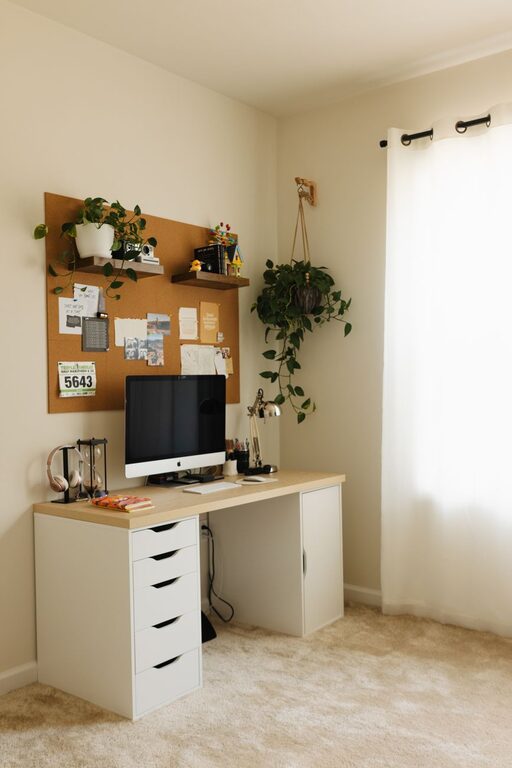
Creating a home office that is both cozy and functional can make a significant difference in your productivity and overall well-being. Whether you work remotely full-time or need a dedicated spot for occasional tasks, designing a space that balances comfort and efficiency is key. This guide offers practical tips to help you build a home office that feels inviting while supporting your work needs.
Choose the Right Location
Selecting the best spot for your home office is the first step. Consider a quiet area with minimal distractions, good natural light, and enough space for your essentials.
– Quiet corners or spare rooms work well for focused work.
– If space is limited, a nook or part of a larger room can be adapted.
– Avoid placing your desk directly in front of a window to reduce glare on screens.
Prioritize Ergonomic Furniture
Comfort during work hours affects your health and focus. Invest in ergonomic furniture designed to support your posture.
– Choose an adjustable chair with lumbar support to prevent back pain.
– Select a desk at an optimal height—ideally allowing your arms to rest comfortably while typing.
– Consider a standing desk option or desk converters to alternate between sitting and standing.
Optimize Lighting
Good lighting reduces eye strain and enhances mood, making your workspace more inviting.
– Use a combination of natural light and adjustable artificial lighting.
– Position your desk near a window when possible.
– Incorporate task lighting, such as a desk lamp with adjustable brightness and color temperature.
Organize with Storage Solutions
Clutter can distract and decrease efficiency. Using smart storage helps keep your workspace neat and accessible.
– Use floating shelves or wall-mounted organizers to save desk space.
– Invest in drawers or filing cabinets for document storage.
– Keep frequently used items within arm’s reach and store less-used materials away.
Incorporate Personal Touches
Adding elements that reflect your personality can make your office feel more comfortable and welcoming.
– Decorate with plants, which improve air quality and add color.
– Hang artwork or photos that inspire and motivate you.
– Choose colors and textures that create a calming atmosphere, such as soft rugs or cushions.
Manage Cables and Technology
Handling cables and electronic devices tidily enhances both safety and aesthetics.
– Use cable organizers, clips, or sleeves to keep wires neat.
– Opt for wireless accessories when possible.
– Keep essential tech within easy reach but maintain a clean desktop surface.
Create Zones for Different Tasks
If space allows, design different areas for various activities to boost organization and focus.
– Set up a dedicated computer work area and a separate spot for reading or brainstorming.
– Use a small table or comfy chair for quick breaks away from the desk.
– Define zones visually with rugs or furniture arrangement.
Maintain Good Air Quality and Comfort
A pleasant environment supports concentration and well-being.
– Open windows regularly or use an air purifier to ensure fresh air.
– Maintain a comfortable room temperature with fans or heaters.
– Consider aromatherapy with subtle scents like lavender for relaxation.
Establish a Routine and Keep it Tidy
Finally, adopting habits that keep your home office functional every day benefits your productivity.
– Spend a few minutes at the end of each day tidying your space.
– Develop a routine that includes regular breaks away from screens.
– Periodically reassess your setup and make adjustments as needed.
—
Designing a cozy and functional home office does not require a major overhaul. With intentional choices in furniture, lighting, organization, and personal touches, you can create a space that inspires you to do your best work comfortably every day. Start small and customize the space to fit your unique needs and tastes for the perfect balance of coziness and practicality.